
In November we hosted seven clients on our inaugural 'Tanzania's Northern Circuit' Safari. It was an untested itinerary, set up during the dark days of the global lockdown, so it was definitely a pioneering tour for us, but it's really hard to go horribly wrong when dealing with one of Africa's top wildlife destinations, right? And as it turned out, it was a roaring success. The itinerary was solid (though we are...
Kenya Safari Photo Trip Report; May 2026.
Posted by Leon on Mon July 20, 2026 in Trip Reports.
In May 2026 we ran our Birds & Wildlife of Kenya small group safari, which was once again just terrific. The itinerary worked very well indeed, giving a good overview of Kenya without being too rushed and trying to include too much - road travel in East Africa is generally very slow, so getting from A to B takes time, and many itineraries simply include too may locations. The accommodations were very good as well, with not one bad experience; the birding and wildlife viewing was top-notch and the clients ended the safari on a high note indeed. Thanks to Mamai, our local Kenyan guide and driver for his safe driving and superb guiding skills; thanks to Thomas in the FACT Safaris office in Nairobi for all the bookings etc; thanks to all the staff at the various lodges for looking after us so well; thanks to Jodie in the Lawson's Safaris office for all the logistics on our end; and thanks to the four wonderful clients - Kate, Dean, Elspeth and Brian - for joining us on the safari. We look forward to the next one!
Kenya Safari Trip Report.
Download the PDF report with full bird & mammal lists here.
1. Samburu National Reserve.
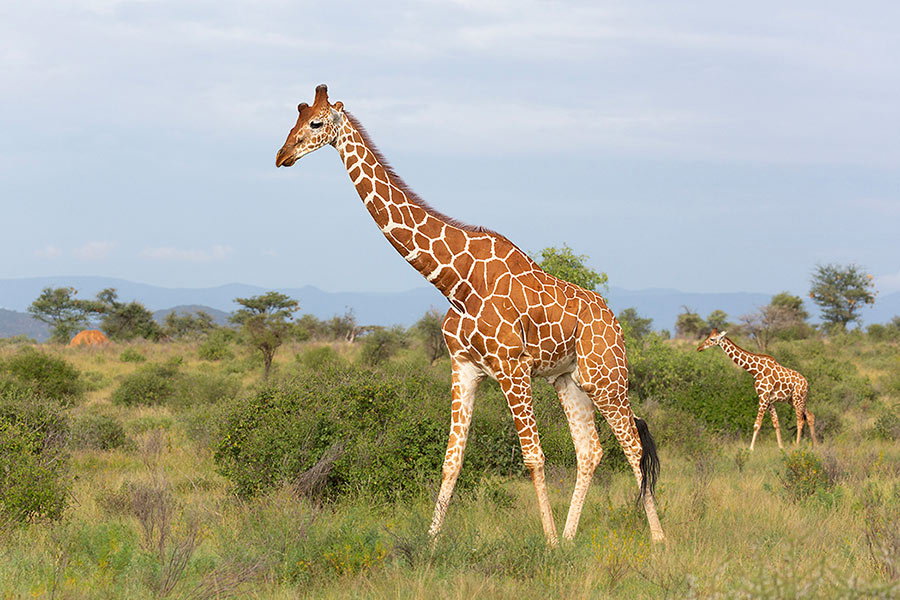
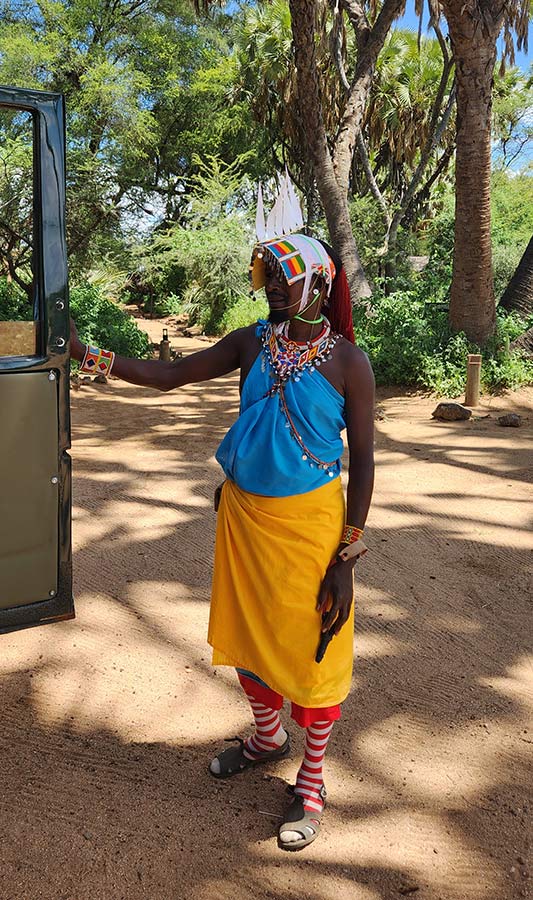
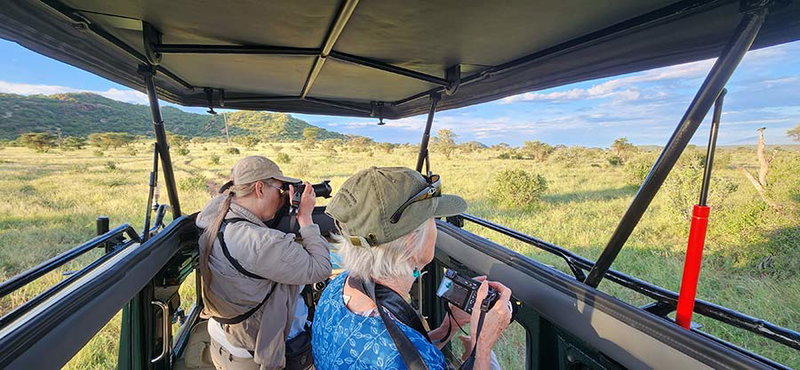
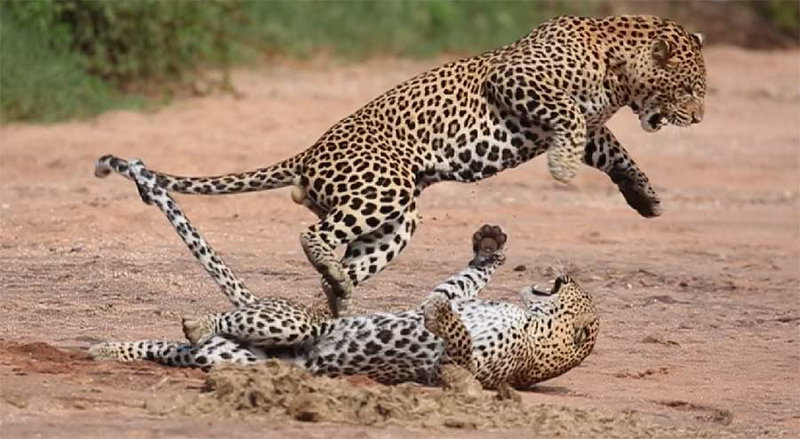
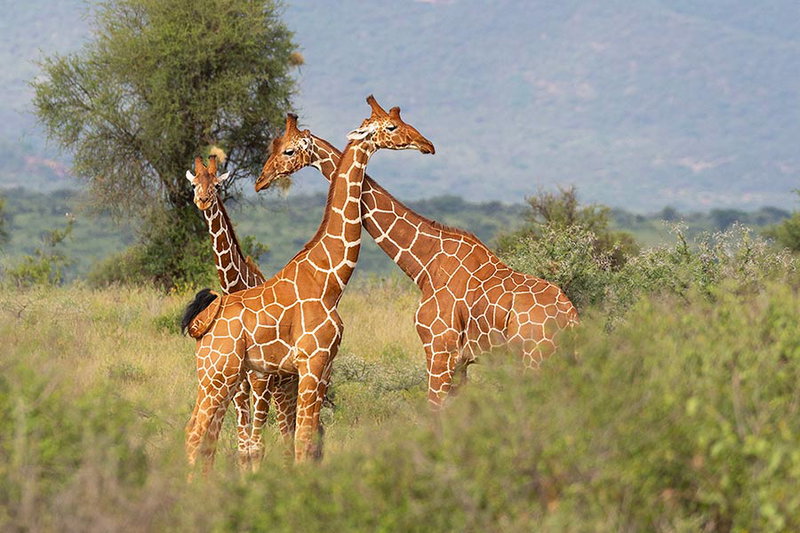
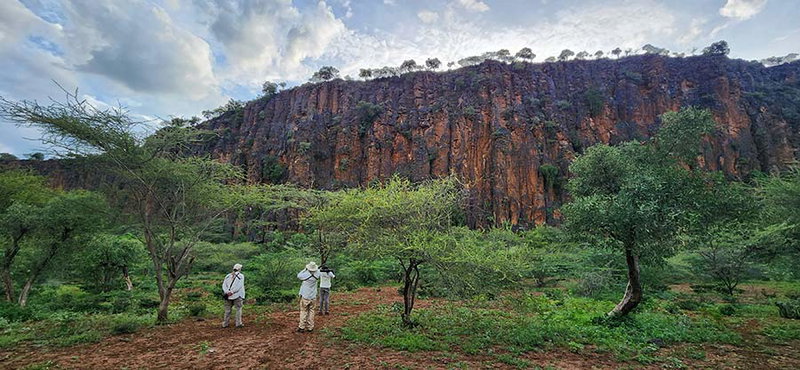
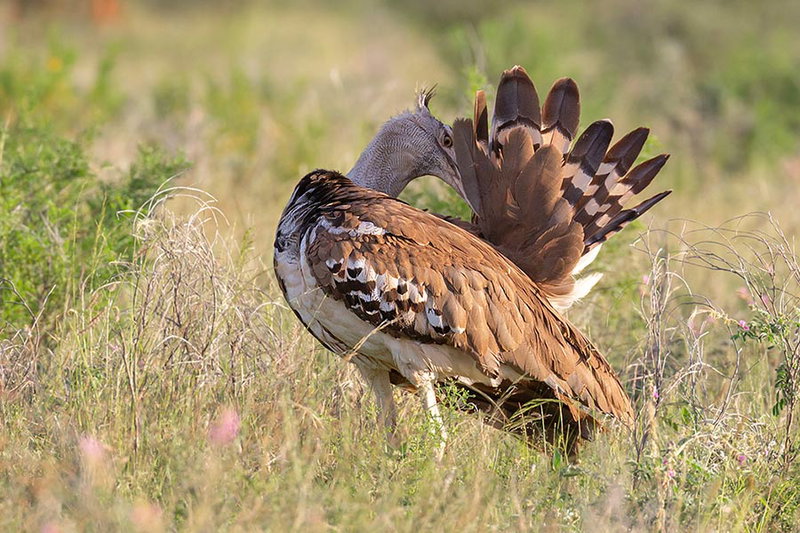
As usual this was one of the highlights of the trip. On previous trips we'd seen Samburu in 'peak condition', but this year it was even better. The numbers of breeding passerines were just phenomenal. Every bush and tree was packed with nests of various Sparrows and Weavers etc, their chirping making for a loud, ambient background din. It was just incredible. And the mammals didn't disappoint either - the highlight was a close up encounter with a mating pair of Leopards. Plus of course all the usuals, including the 'Samburu specials': Reticulated Giraffe, Gerenuk, Grevy's Zebra, Desert Warthog, Beisa Oryx and Vulturine Guineafowl. All in all a terrific experience and a fantastic way to begin.
Accommodation review:
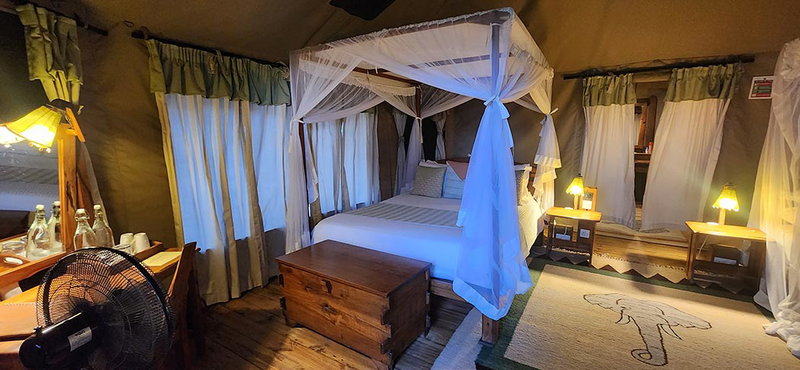
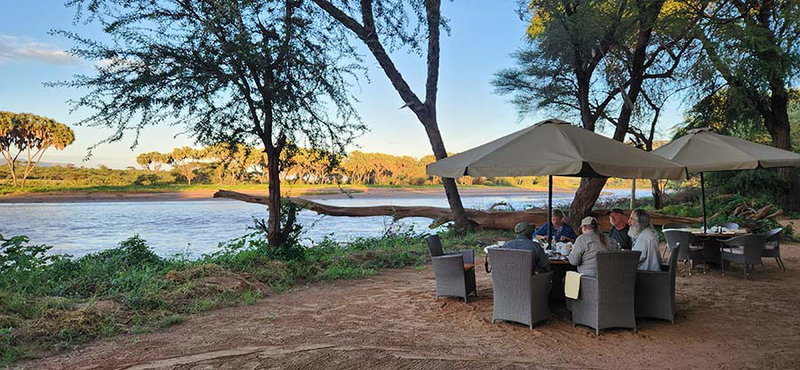
Elephant Bedroom is just superb. The rooms are well-appointed and very comfortable but the lodge is definitely not 'over the top' and too fancy. The food etc was all very good, and we were looked after very well by the camp staff (as we were for the entire stay). The camp is well situated as well, along the Nwaso Ngiro River and not too far away from the main gate. 10/10 for Elephant Bedroom!
2. Ol Pejeta Conservancy.
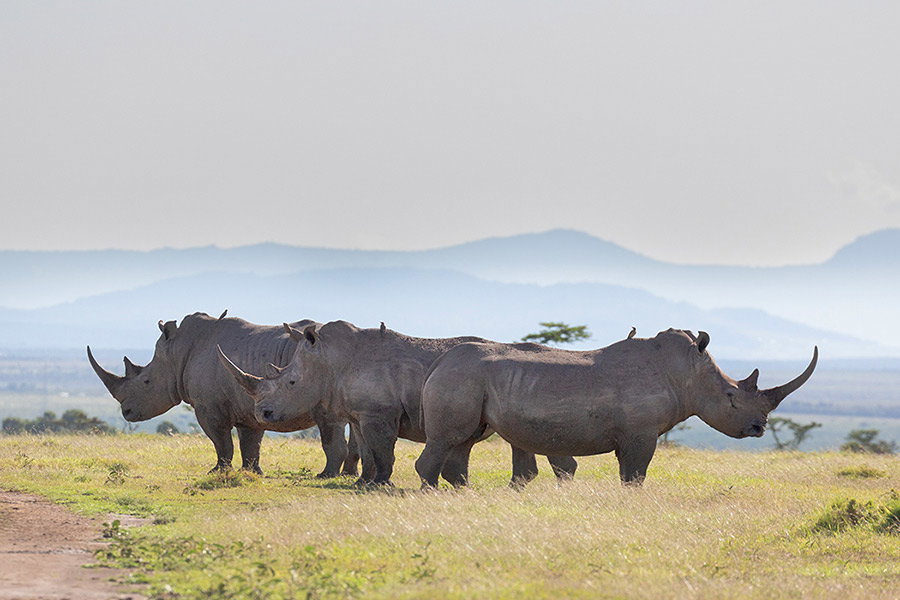
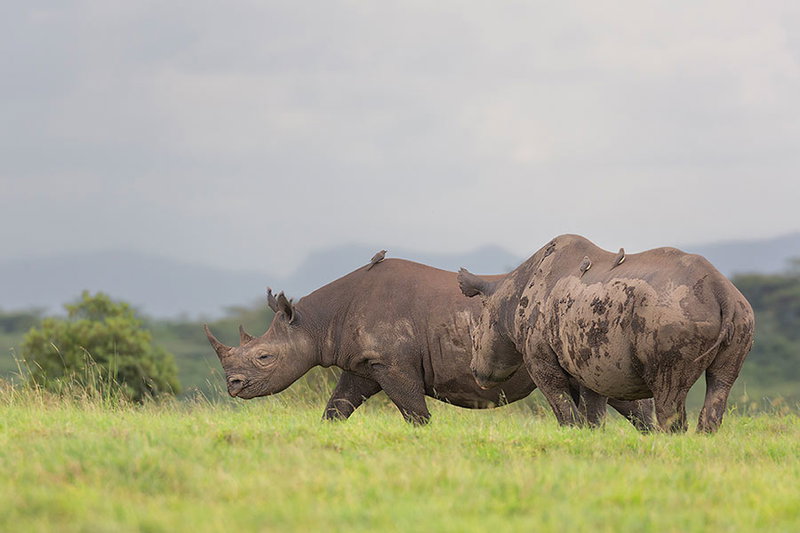
From Samburu we made our way to Ol Pejeta, a huge conservancy in the shadow of Mount Kenya, the highest mountain in the country. Ol Pejeta is a very good place to see Rhinos, and we had numerous encounters with both Black and White Rhinos (the Whites are Southern White's - Ol Pejeta has the last two surviving Northern Whites, which are housed in a secure facility. One used to be able to see them from the roads outside the facility, but not anymore, as they have closed the roads that used to run close to their enclosure). Ol Pejeta is also very scenic, with the mountain making a wonderful backdrop to the open plains. All in all a great one-night stay to break the journey through to Lake Nakuru.
Accommodation review:
Accommodation was fine - Sweetwaters Tented Camp is quite big, and perhaps a bit 'commercial' (especially after Samburu!), but well run and perfectly adequate for a one night stay. The tents are clean and well-appointed, with views over a waterhole. The food was good - buffet-style with plenty on offer, so no complaints about Sweetwaters Tented Camp (Golden-winged Sunbird in the gardens!).
3. Lake Nakuru.
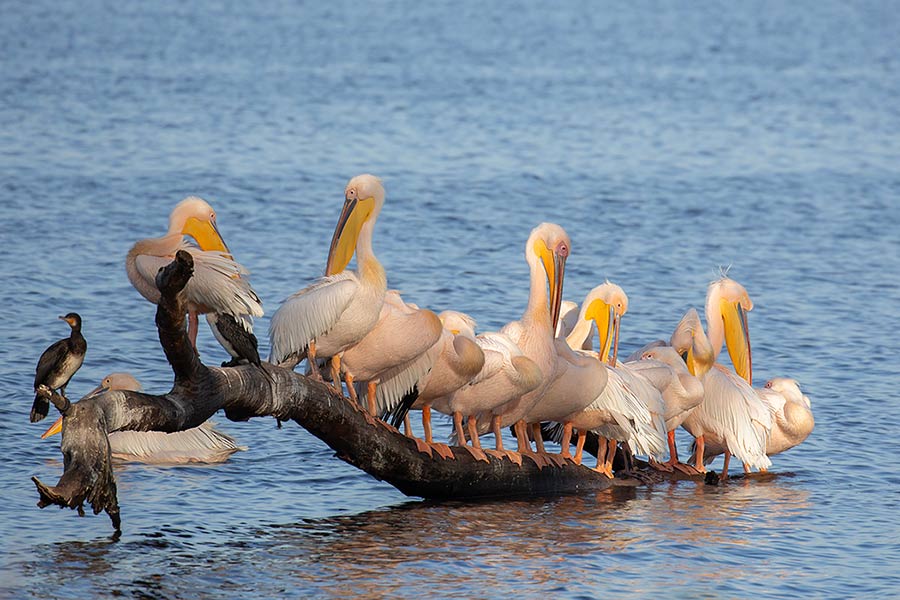
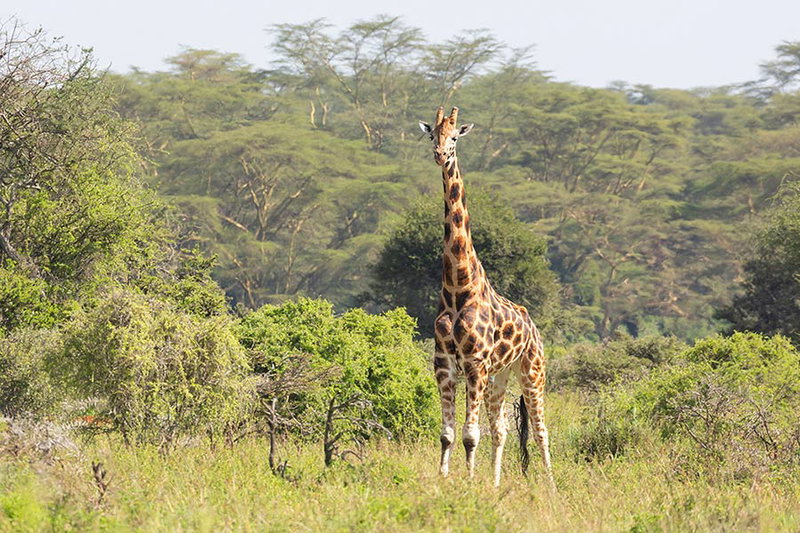
Moving on from Ol Pejeta, we had a lovely drive past the Aberdares range and on to Lake Nakuru, arriving at our lodge in the late afternoon for time to relax and enjoy the views out over the lake. This was a one-night stop so we didn't have too much time at the lodge as we were on the road after breakfast to explore the national park. The lake level has been rising steadily so isn't as suitable for Flamingos as it once was, but it still does support vast numbers of water-associated birds such as Pelicans Storks, Herons, Egrets, Lapwings etc, and is also home to the highly endangered Nubian / Rothschild's Giraffe (not native to Lake Nakuru, but introduced here as a conservation measure). All in all it's a great park, and we enjoyed our morning of exploration.
Accommodation review:
Sarova Lion Hill is quite adequate for a one-night stay. It's certainly not a small 'boutique' lodge but offers great views out over the lake, good food (a huge and varied dinner buffet) and reasonable accommodation, and is well placed (not too far from the main gate). So, overall, it's probably not the highlight of the trip, but we didn't have any complaints, either.
4. Lake Baringo.
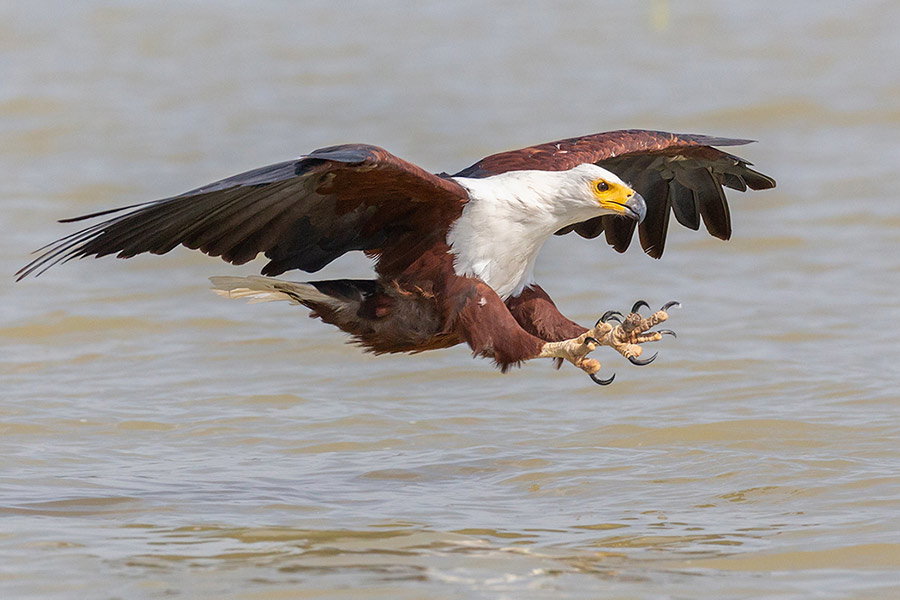
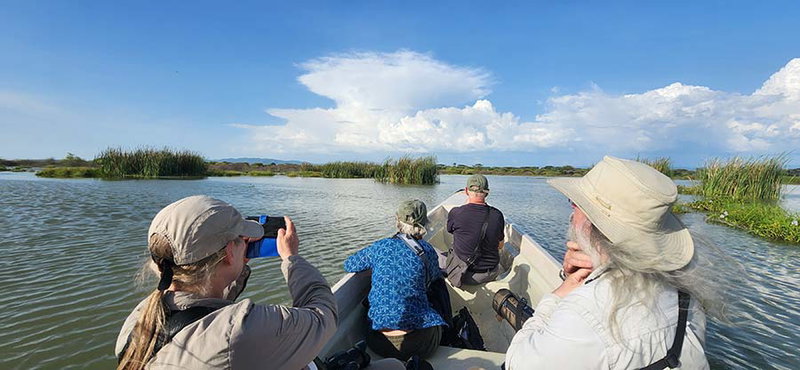
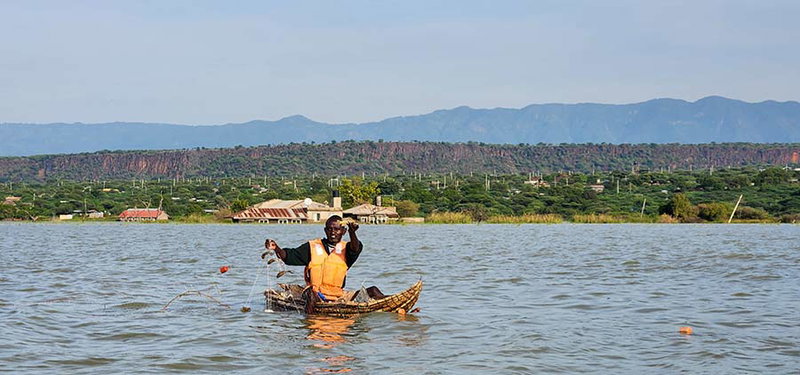
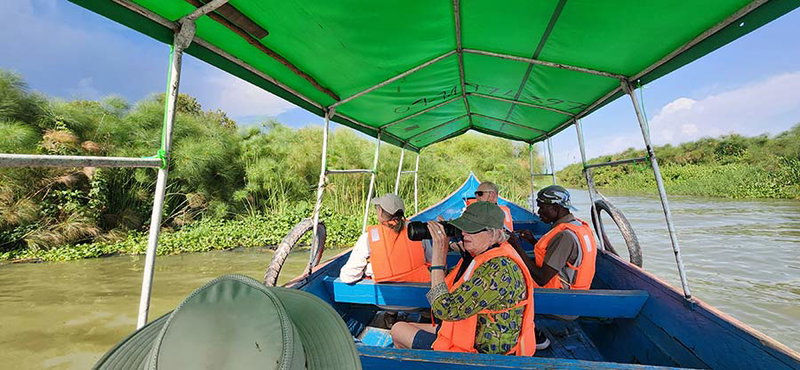
Lake Baringo was fantastic, a real highlight on the itinerary - we didn't see another tourist for two days! The birding boat trip with local guide Titus Kangor was amazing, delivering great birds, great photo opportunities and loads of fun. Of interest is the alarming rise in the level of the lake - in April apparently one could still drive to the lodge, but we could only get to and from the lodge by boat. Titus does report subsequently that the lake level is starting to drop, but that's too late for the flooded hotels along the lake edge. Overall, Lake Baringo is amazing, a wild, untamed place that's definitely off the main tourist routes.
Accommodation review:
Tumbili Cliff Lodge on the shores of Lake Baringo is rather unique. It's comfortable and pleasant but relatively basic - though it has everything that one needs: large, clean rooms with views over the lake, good, home-cooked food, cold beers and lovely staff. And, moreover, we're usually all on our own there! It's definitely a place to remember.
5. Kakamega Forest.
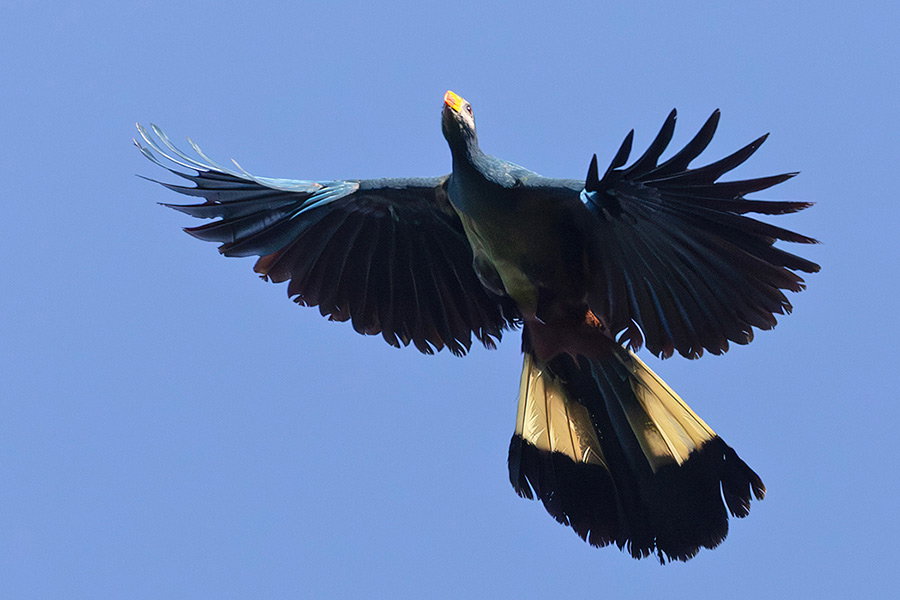
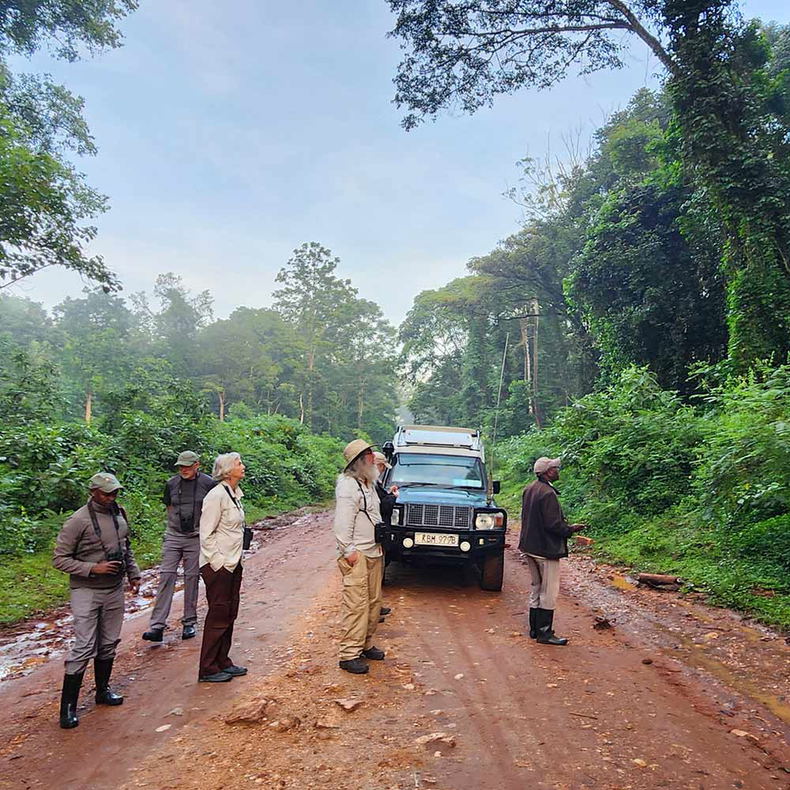
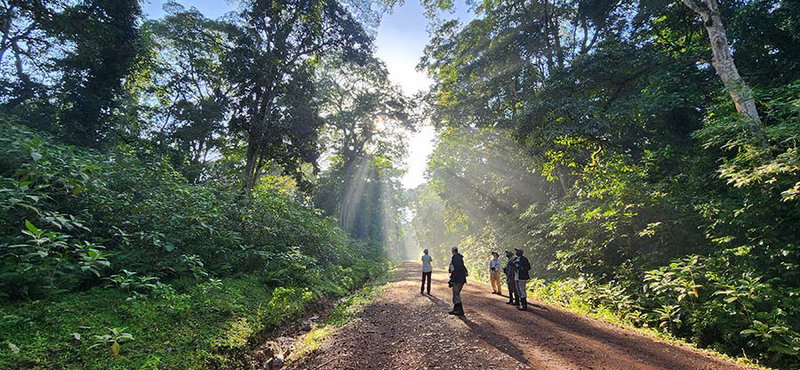
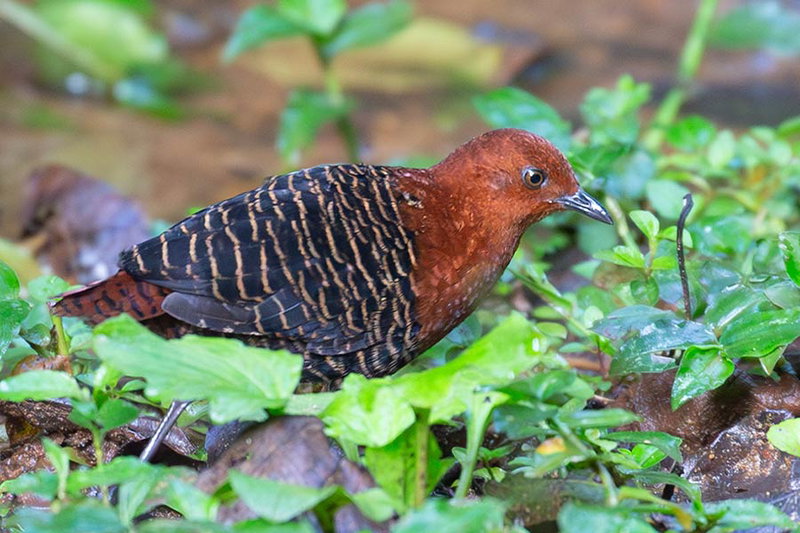
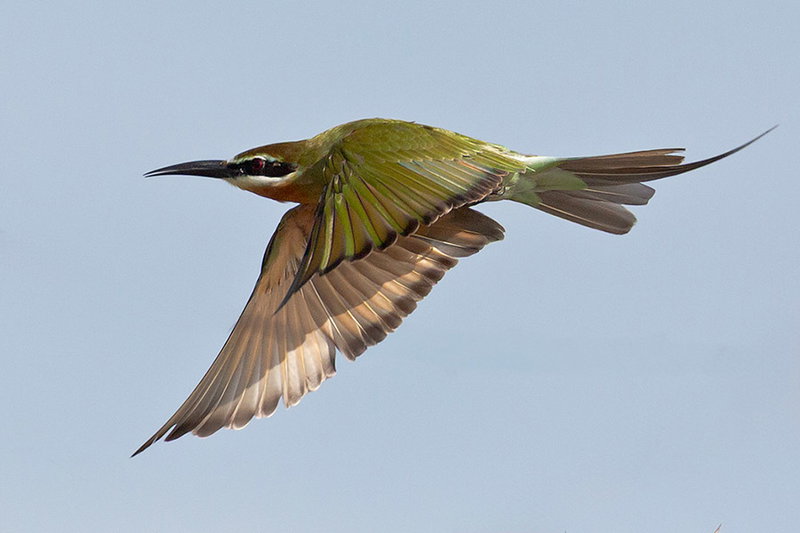
Not everything can be a highlight, but on this tour, most of it is a highlight! Kakamega is one such place. It's just so different to what's encountered on the 'normal' safari route. It's a real gem. Lush, tropical forest, amazing bird life, clear mornings and stormy afternoons, cool, damp and magical evenings... It's an awesome experience. But the birding is not always easy. Thick foliage and a tree canopy 30 or 40 meters above your head makes for hard work. But, with the help of local guide Patrick, and with two full days there, we managed to see a decent number of bird species, including some of the real specials such as Turner's Eremomela, Blue-headed Bee-eater, White-spotted Flufftail, Blue-shouldered Robin Chat, Great Blue Turaco, White-headed Wood Hoopoe and others. And, moreover, the three night stay offers a great opportunity to slow down and just enjoy time spent at one venue.
Accommodation review:
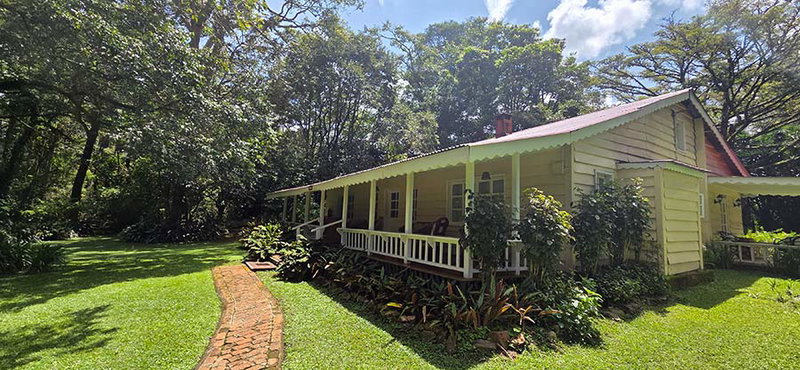
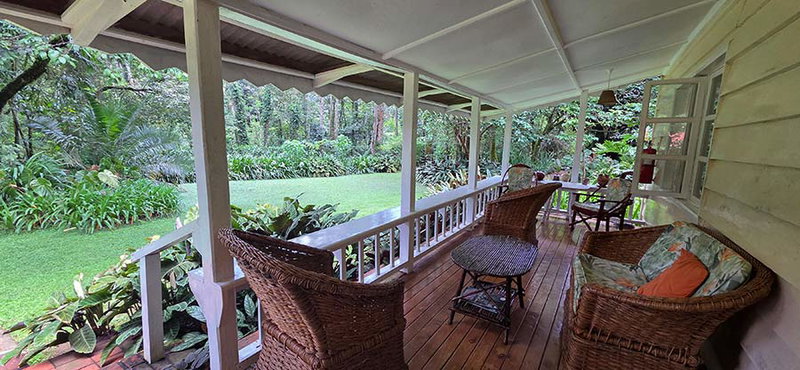
Rondo Retreat Center is just fantastic in every way. It's very unique - a spread out assortment of cottages and main buildings / dining areas in a big clearing within the forest, surrounded by immaculate gardens. It has a colonial air to it (not in a bad way!) and the service is first class, from the service staff in the restaurant to the grounds staff who head out into the forest every morning to wipe down the benches along the trails. And the afternoon tea-and-cake-and-birding sessions on the lawns are legendary (though this time we only managed 1 out of 3 on the lawns due the the fairly reliable afternoon downpour!). Inside tip: they don't serve alcohol, so if you want a drink with dinner, it's B.Y.O.).
6. Lake Victoria.
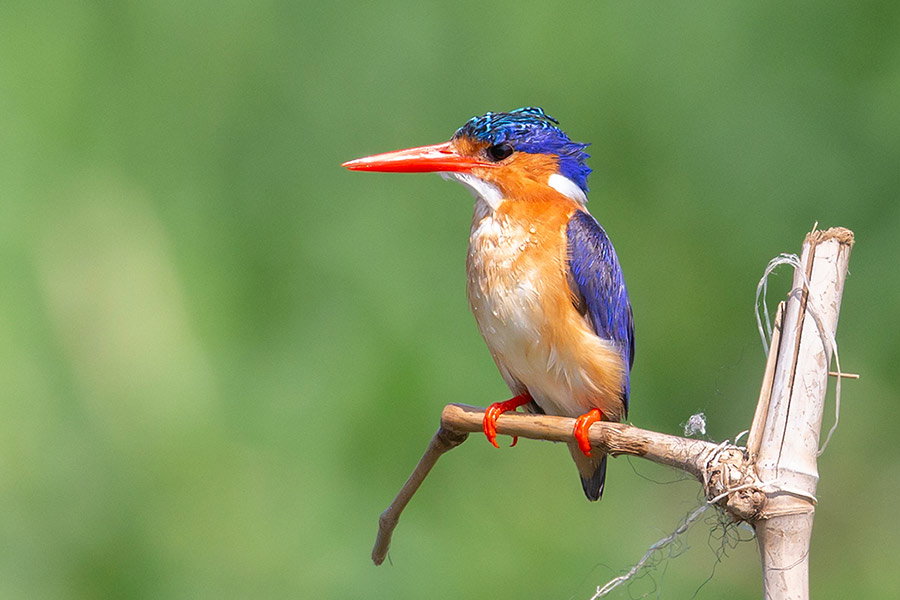
Our stop in Kisumu, Lake Victoria, is really just to break the journey to the Masai Mara from Kakamega. But we do include some birding here, with an afternoon boat trip at Hippo Point to look for specials such as Greater Swamp Warbler and Papyrus Gonolek. So it's an interesting stop, giving a taste of city life in Kenya, and the late afternoon sundowner session on the rooftop bar overlooking the city and the lake in the distance is quite pleasant indeed.
Accommodation review:
A big hotel typical of that in any city around the world - it has all that you need but it's not that unique or memorable! But it works.
7. Mara Triangle Conservancy.
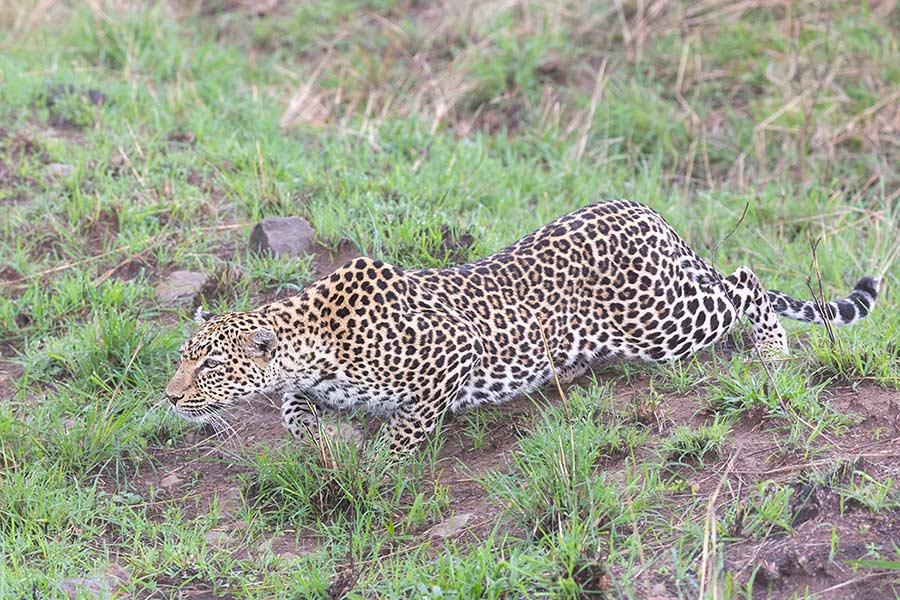
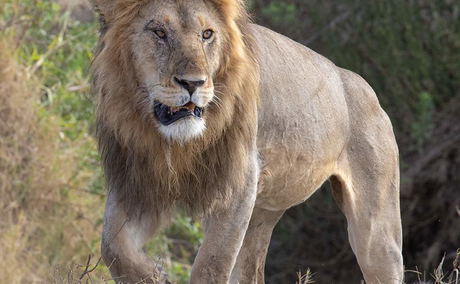
Our penultimate stop was the Mara Triangle Conservancy, which is basically the triangle of land in the western corner of the greater Masai Mara. It's a spectacular area, with Olooloo Escarpment as the western border, the Serengeti of Tanzania the the south and the Mara River separating it on the eastern side. But the borders are largely academic, as the animals are free ranging throughout the entire Mara / Serengeti ecosystem. The area was in superb condition, green and lush and holding good numbers of animals, even though most of the Wildebeest were still down in the Serengeti on their migration route. The sightings were good and we saw Lion, Leopard and Cheetah in addition to all the general game, Elephants etc and a nice variety of birds, from Rosy-throated Longclaw to Coqui Francolin.
Accommodation review:
Mara Serena is well situated, built on an outcrop with stunning views over the plains of the Mara, and the Mara River on one side (ask for river-view rooms when booking!). The food was good too, with an incredible array of dishes on offer three times a day. It's well located as well, so one can reach all corners of the conservancy quite easily. The downside is that it's a bit bigger than we'd like it to be, and that the acoustics in the main building are so bad that it becomes very noisy with people chattering. But it works, and there were no major complaints on this safari.
8. Masa Mara National Reserve.
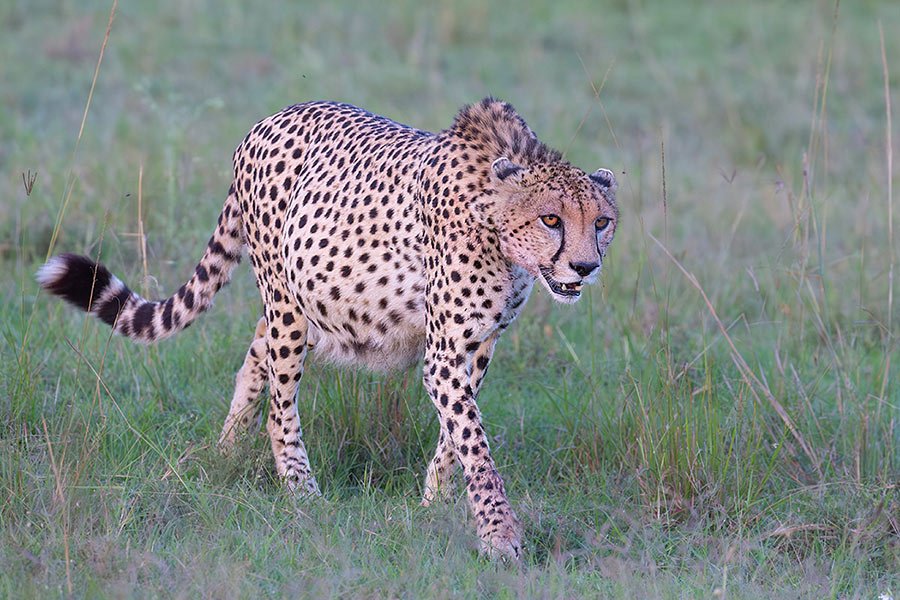
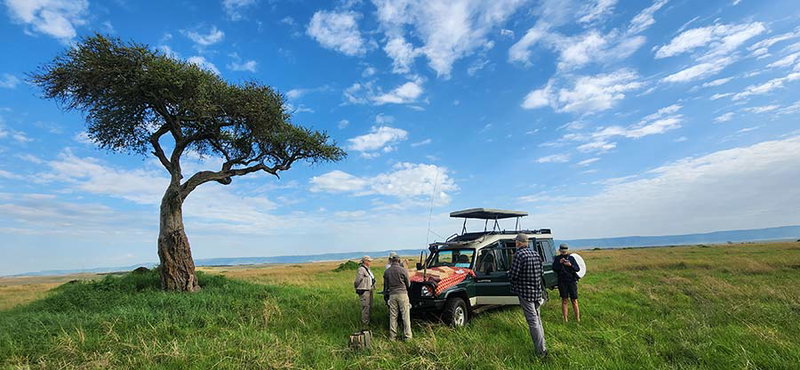
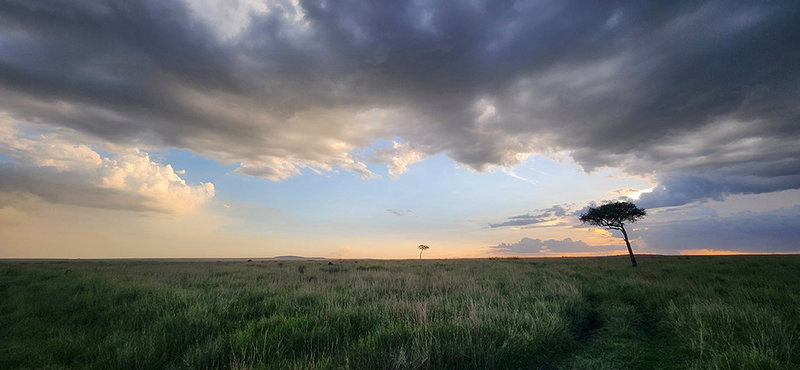
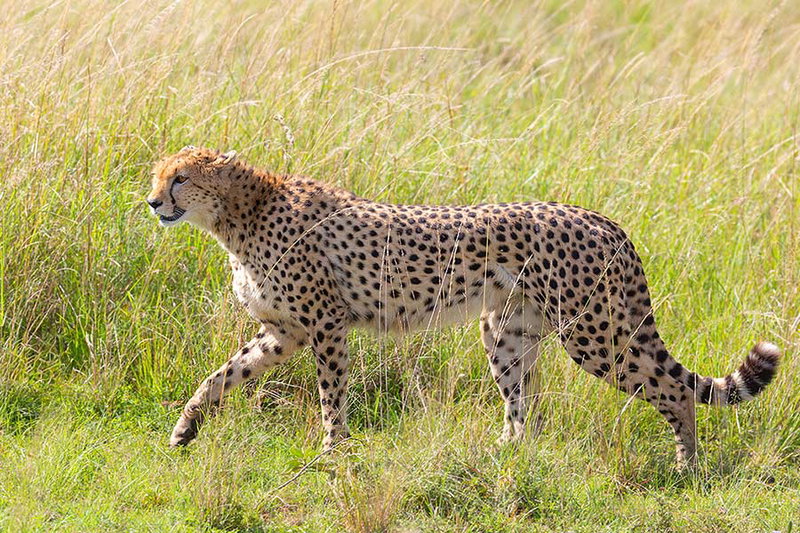
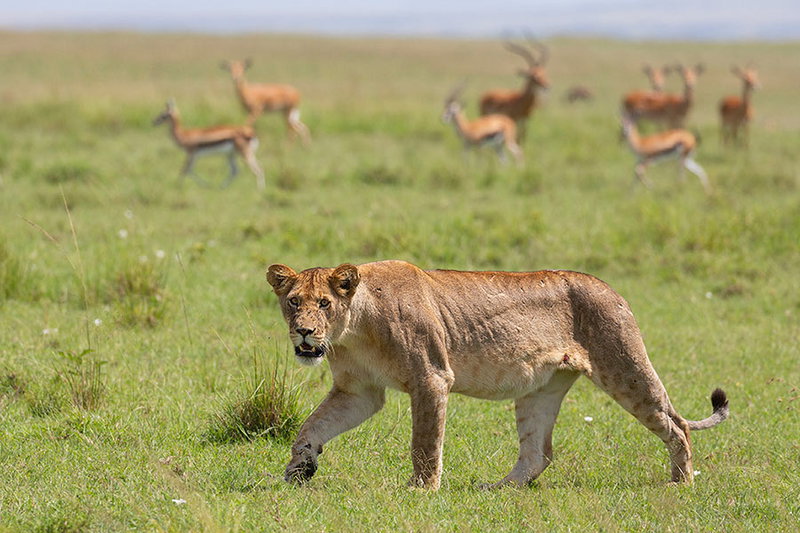
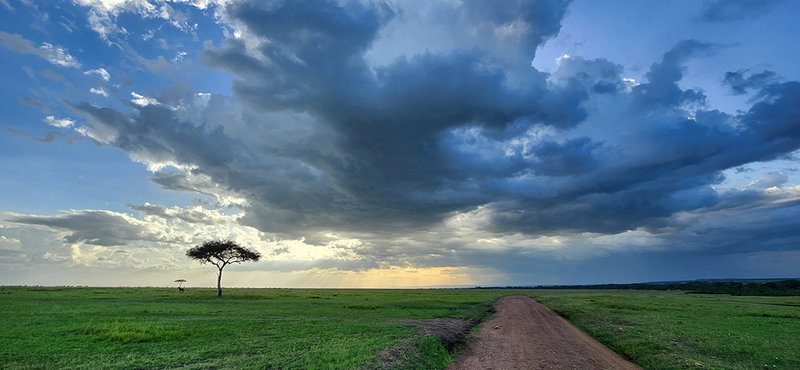
The last stop on the safari... One of Africa's most famous parks. And a grand finale it was. Our accommodations were superb and we ended off with some bird and wildlife highlights, such as the Cheetah with a kill on the final afternoon. Other highlights included Grey Crowned Crane with young; a Lioness on the move during the middle of the day; Lions and Cheetah within 20 meters of each other; a battle between two Warthog boars; Black-backed Jackals; loads of birds and general game, all under epic skies with daily thunderstorm buildup in the distance making for stunning afternoon vistas. Indeed, the Mara is the cherry-on-the-top experience that caps off this 16-day safari very nicely indeed.
Accommodation review.
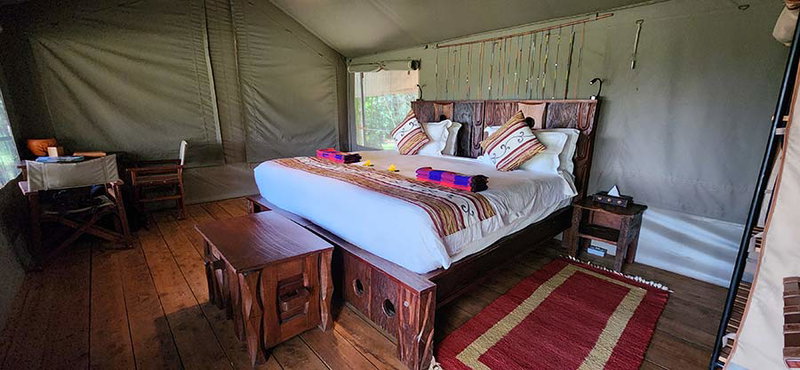
This was our first stay at Mara Base Camp. It's situated on the Talek River, with lovely views from the rooms over the river and onto the plains beyond. The rooms were just wonderful, with lovely porches (complete with swing bed) to spend time on during the day or whenever you decide to skip a drive. The main areas were lovely, and the swing bridge to get to the parking area on the other side of the river was a novel feature. And the staff were wonderful, just like they were throughout our stay in Kenya. The only disadvantage of this camp is that it's close to the small community around Talek Gate, so there is a bit of human noise, though visually one is totally unaware of the houses etc behind the camp. Overall though, we all really enjoyed our stay there.
Further Reading
Safari Trip Report: Tanzania's Northern Circuit.
Wed January 4, 2023
Read This Article
Share This Post